Disneyland Paris and Versailles sit on opposite sides of the wider Paris region, so your route generally crosses several busy corridors before reaching the palace district. Even when distances look moderate on a map, traffic patterns can shift quickly around the A4, A86, and approach roads to western suburbs. Leaving with a realistic time buffer is one of the easiest ways to reduce stress.
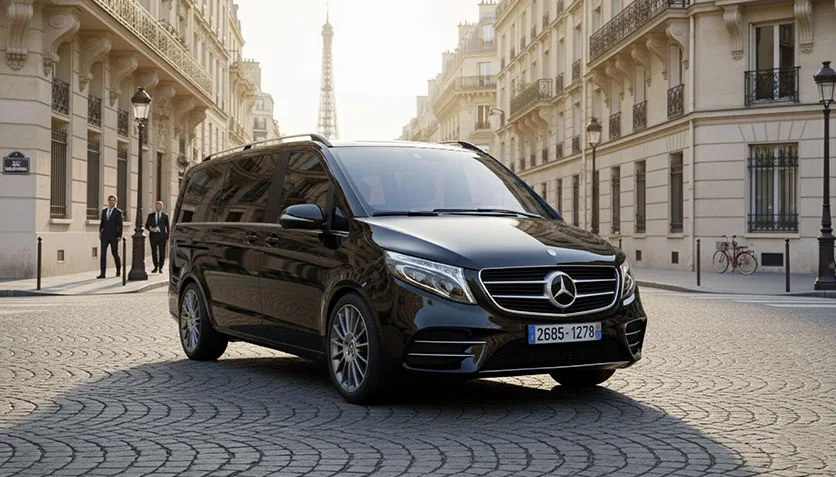
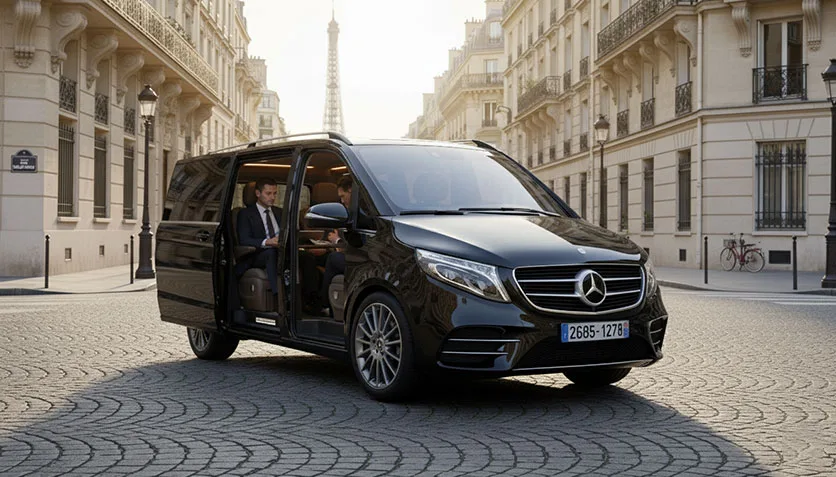
Road transfers are often the simplest choice when your group includes children, seniors, or multiple suitcases. A direct vehicle limits walking between platforms and removes the need to manage bags through crowded interchange stations. If your schedule includes timed palace tickets, direct transport also gives better control over arrival windows.
Rail travel can be cost effective, but this journey is rarely a single line ride. Most itineraries involve at least one transfer in central Paris and sometimes a second change depending on service conditions. During peak commuter hours, finding space for luggage and strollers can take extra time, so rail works best for light packing and flexible plans.
Bus based routes are usually the lowest cost category, yet they are also the least predictable for total journey time. Connections, waiting intervals, and traffic around transfer points can extend the trip considerably beyond the road distance itself. For budget focused travelers, checking timetables and fallback routes before departure is essential.
Whichever option you choose, keep booking details and tickets accessible on your phone, and confirm the exact drop off point in Versailles. The palace area, nearby hotels, and train stations are close but not identical destinations. Clear pickup and drop off information helps avoid delays and keeps your day itinerary on track.