CDG and Beauvais serve different airline ecosystems, so this transfer is less like a short city hop and more like a planned airport connection. Most missed links happen when travelers underestimate airport formalities at CDG before they even begin the road or rail leg. Passport control queues, late baggage delivery, and terminal walking time can easily add 30 to 60 minutes to your real departure from arrivals.
By car or private shuttle, typical travel time sits around 75 to 95 minutes in normal daytime traffic, but rush-hour conditions can push the journey beyond 2 hours. The A1 and A16 corridors are generally straightforward, yet congestion near Paris access points is the main variable. If your Beauvais departure is time-sensitive, building a generous buffer is more reliable than aiming for best-case road timing.
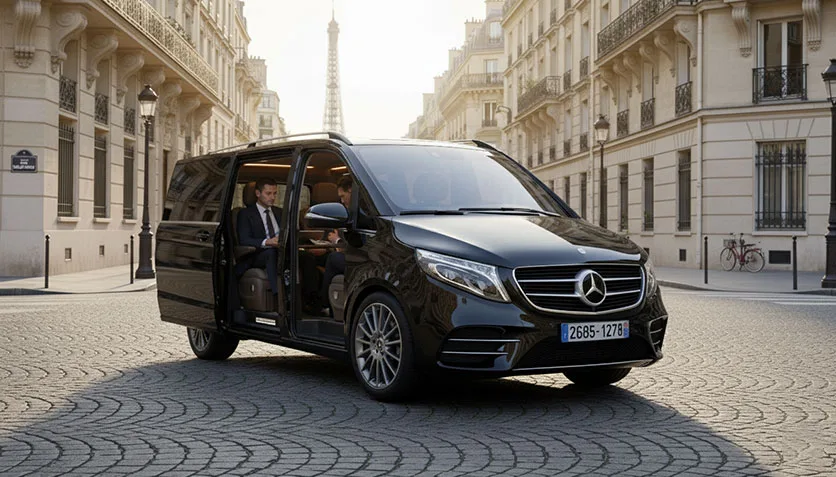
Taxi rank service offers flexibility without pre-booking, but fares are usually higher and less predictable once tolls and traffic are factored in. Child seats may require advance request depending on vehicle availability. For families or groups with multiple suitcases, a reserved private vehicle with confirmed capacity is often easier than negotiating vehicle size on arrival.
Rail and bus combinations can reduce per-person cost, though they introduce transfer points that increase complexity. A common rail path is CDG toward central Paris, then onward train to Beauvais plus a final local leg to the airport. Coach travel from Paris can be economical, but you still need to reach the coach departure area first, which adds time and coordination after a flight.
A practical booking checklist is simple: confirm your BVA check-in window, account for airport exit time at CDG, choose transport based on luggage volume, and keep mobile connectivity active for pickup communication. When these basics are handled before travel day, the CDG-to-Beauvais transfer becomes predictable and far less stressful.